Losing important data from your laptop can be incredibly frustrating, whether it’s due to accidental deletion, a system error, or even a virus infection. Fortunately, in many cases, deleted documents and files can still be recovered from your laptop’s hard drive, as long as you act quickly. When you delete a file, it isn’t immediately erased; instead, the space it occupies is marked as available for new data to overwrite. This means that if you stop using your laptop and avoid adding new files, there’s a good chance you can recover your lost data.
The most effective solution to recover deleted files is to use a reliable data recovery program. There are several programs available that specialize in retrieving lost files from your laptop’s hard drive. One of the most popular and recommended options is Recover It, a powerful and user-friendly tool designed for laptop data recovery.
Why Data Recovery Programs Are Essential
A data recovery program works by scanning your laptop’s hard drive for traces of lost or deleted files. Whether your files were accidentally deleted, the hard drive was formatted, or a system error caused them to disappear, these programs can often help restore them. In addition to recovering files lost due to common problems, data recovery tools can also be effective after your laptop has suffered a virus infection that has corrupted or deleted files.
Programs like Recover It support a wide range of file types, including office documents, images, videos, audio files, and even emails. It works well with all popular laptop brands, including Lenovo, Toshiba, Sony, HP, Dell, and many others.
How to Use a Data Recovery Program on Your Laptop
Using a data recovery program is relatively simple, but there are a few important steps to ensure a smooth recovery process. Here’s a detailed guide on how to use Recover It on your laptop:
Step 1: Stop Using Your Laptop
As mentioned earlier, it’s crucial to stop using your laptop immediately if you’ve lost data. This is because the more you use your laptop, the greater the chances of new data overwriting the lost files, making recovery much more difficult.
Step 2: Install the Recovery Program
You’ll need to install the data recovery program, but you should not install it on the laptop’s hard drive from which you want to recover data. This is because installing the program could overwrite the data you are trying to recover. Instead, install the program on another hard drive or an external storage device.
Step 3: Launch the Program
Once the program is installed on a separate device, launch it and follow the prompts to scan your laptop’s hard drive for lost files. The recovery program will perform a deep scan to identify files that are recoverable.
Step 4: Preview and Recover Files
After the scan is complete, the program will display a list of files that can be restored. You can preview the files to ensure they are the ones you want to recover. Once you’ve identified the files, you can select them and click on Recover to restore them to a safe location. Make sure to save the recovered files to a different hard drive to avoid overwriting any remaining recoverable data on the laptop.

How to Recover Data from a Broken or Crashed Laptop
In some cases, you may not be able to boot up your laptop due to hardware failure or system crashes. If this happens, you can still recover your files by removing the hard drive from your laptop and connecting it to another working computer.
Here’s how to recover data from a broken or crashed laptop:
- Turn off your laptop and remove it from any power source.
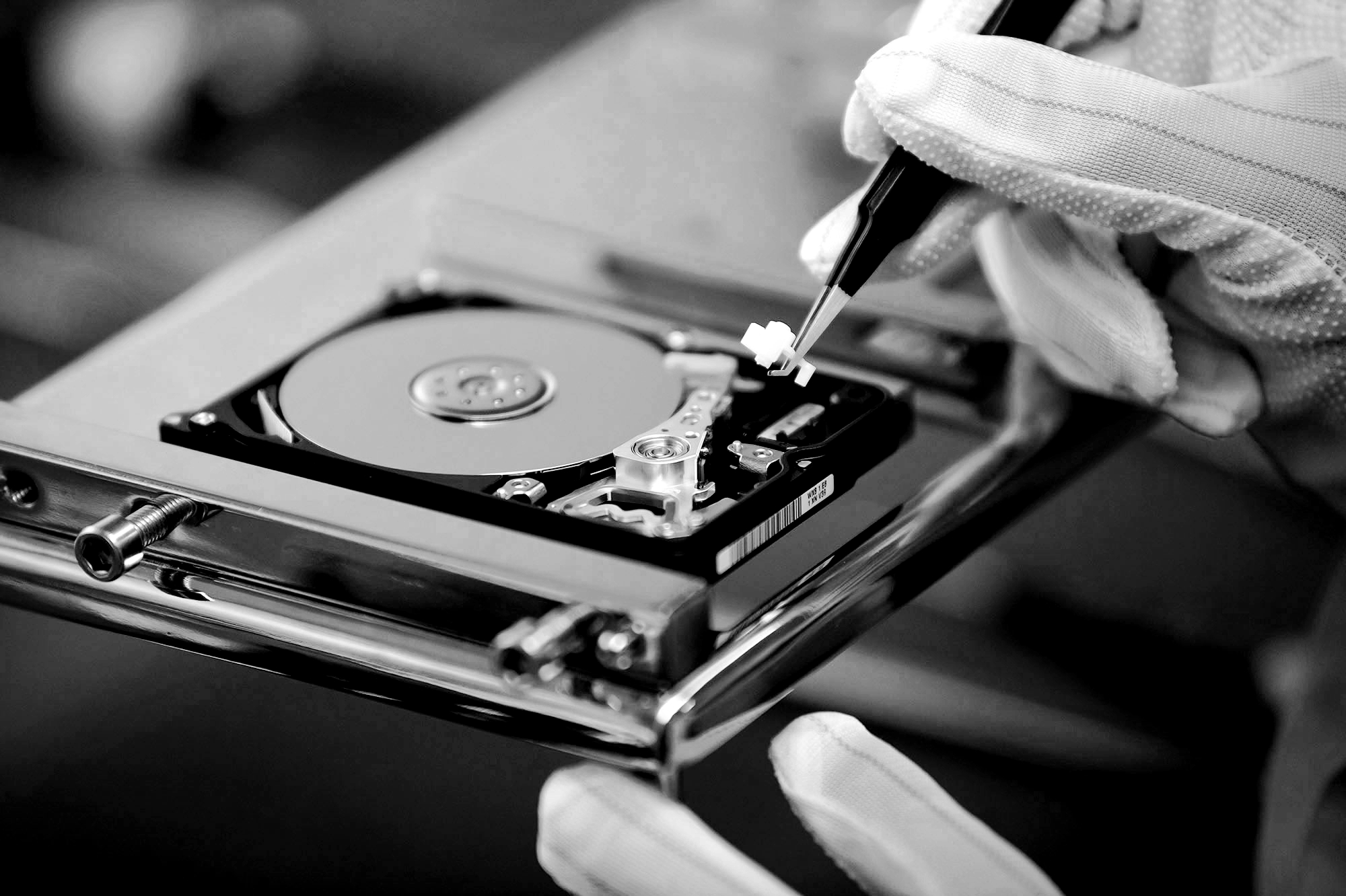
- Remove the hard drive: Depending on your laptop model, you may need to remove screws or panels to access the hard drive. Once located, carefully remove the hard drive from the laptop.
- Connect the hard drive to another computer: You’ll need a SATA-to-USB adapter or a hard drive docking station to connect your laptop’s hard drive to a working computer via USB.
- Run the data recovery program: On the other computer, install and launch the data recovery program (such as Recover It). Once the program detects the external hard drive, you can follow the same steps to scan and recover your files.
This method is especially helpful when the laptop’s operating system is corrupted, or the device itself cannot boot up, but the hard drive is still functional.
Tips to Prevent Future Data Loss
While data recovery programs can help you retrieve lost files, it’s always better to be proactive and avoid data loss altogether. Here are a few tips to help you prevent losing valuable data in the future:
- Regularly back up your data: Set up automatic backups using cloud storage services (like Google Drive or Dropbox) or an external hard drive. Regular backups ensure that your files are safely stored in multiple locations.
- Use disk imaging tools: Tools like Macrium Reflect or Acronis True Image allow you to create complete images of your system, making it easier to restore your laptop in case of failure.
- Keep your antivirus software up to date: Viruses and malware are common causes of data loss. Regularly updating your antivirus software can help protect your laptop from malicious threats.
- Consider upgrading your laptop’s hard drive: If you’re using an older laptop, upgrading to a solid-state drive (SSD) can improve performance and reduce the risk of hard drive failure.
Conclusion
Data loss from a laptop hard drive doesn’t have to be permanent. With the right tools and techniques, you can often recover lost or deleted files, even after a system failure or virus infection. Programs like Recover It make it easier to retrieve your important documents, photos, videos, and other files. If your laptop is not functioning properly, removing the hard drive and connecting it to another computer can also help recover your data.
To avoid future data loss, be proactive about backing up your files regularly and using preventative measures. The more you protect your data, the less likely you’ll be to face the stress and frustration of losing valuable information.